
"Yemeni coffee varieties"
1000 article(s) found

Introduction of Yemeni coffee
Yemeni coffee originated from Arabian coffee trees hundreds of years ago, all of which are produced in areas above 3000 feet above sea level. For hundreds of years, the unique planting and production methods of Yemeni coffee have remained almost unchanged. The seedlings of Yemeni coffee trees are first cultivated in nurseries and then transplanted to high elevations. Pesticides and fertilizers are not used in the breeding process. Mature coffee beans are naturally dried on coffee trees and shelled by stone mill.

Yemeni mocha is not an ordinary Italian mocha, Yemeni mocha culture.
Coffee workshop (Wechat official account cafe_style) Yemeni mocha is one of the oldest coffees in the world. Yemeni mocha is considered to be the best coffee available to people in the world. It has a unique, aromatic, sour taste and a distinctive spicy taste. The name of mocha coffee comes from

Yemeni mocha coffee development history _ reasons for good quality of Yemeni mocha coffee _ characteristics of mocha coffee beans
Professional coffee knowledge exchange more coffee bean information please follow the coffee workshop (Wechat official account cafe_style) to ask do you know which country coffee originated? There is bound to be a stir of controversy. It is said that coffee was first found in Ethiopia, but at the same time, Ethiopia's neighbor, Yemen, was also growing and drinking coffee. The history of coffee dates back to centuries

Authentic Yemeni mocha coffee flavor description _ why Yemeni mocha beans are so expensive
Professional coffee knowledge exchange more coffee bean information please follow the coffee workshop (Wechat official account cafe_style) Yemeni mocha coffee is the oldest coffee in the world, although Ethiopia is the first country in the world to discover coffee, but Yemen is the first country in the world to use coffee as a crop for large-scale production. In the 17th century, the first Yemeni coffee passed through ancient times.

Varieties and taste of coffee growing areas in Yemen explain how about Yemeni coffee powder
Professional coffee knowledge exchange more coffee bean information please follow coffee workshop (Wechat official account cafe_style) Yemen Coffee Summary population (2006): 21.4m people Coffee production: 50000 bags of Coffee capacity: 132lb-60kg Coffee Export: 50000 bags of cultivated area: about 7700 ha (19000 acres) harvest: October-December Yemeni coffee

History of Yemeni Coffee Development the oldest coffee is Yemeni coffee? is it produced and planted in the sea?
Professional coffee knowledge exchange more coffee bean information please follow the coffee workshop (Wechat official account cafe_style) the Republic of Yemen is located in the southwestern tip of the Arabian Peninsula, bordering Saudi Arabia and Oman, bordering the Red Sea, the Gulf of Aden and the Arabian Sea. In May 1990, it was formed by the merger of the Arab Republic of Yemen (Northern Yemen) and the people's Democratic Republic of Yemen (Southern Yemen). There are more than 3000 in Yemen

A brief introduction to the cultivation of Yemeni boutique coffee beans with unique fragrance, geographical location, climate and altitude
Yemeni coffee is also picked and processed entirely by hand. The preliminary processing of coffee beans is made by drying and drying naturally in the sun. This method is the most primitive and simple, without any machinery or cleaning, so sometimes there are a small amount of sand and pebbles in Yemeni coffee beans. At present, dry is still used only in Brazil, Haiti and a few parts of India.

Yemeni Mocha Hami Haimi Coffee recommendation introduction of Yemeni Mocha Hami Haimi characteristics
Coffee workshop (Wechat official account cafe_style) is also located in the Asian continent of the Arabian Peninsula, but very close to Africa just across the Red Sea and the Gulf of Aden Gulf of Aden to, however, other Arab countries do not produce coffee, so the world has classified Yemeni coffee as a member of the North African coffee family.

The latest introduction of Yemeni coffee boutique coffee
Yemeni coffee originated from Arabian coffee trees hundreds of years ago, all of which are produced in areas above 3000 feet above sea level. For hundreds of years, the unique planting and production methods of Yemeni coffee have remained almost unchanged. The seedlings of Yemeni coffee trees are first cultivated in nurseries and then transplanted to high elevations. Pesticides and fertilizers are not used in the breeding process. Mature coffee beans are naturally dried on coffee trees and shelled by stone mill.

Yemeni coffee beans with unique flavor and taste
Yemenis have been drinking coffee since ancient times, and there is a coffee culture that is very different from the rest of the world. In Yemen, there are many middlemen engaged in coffee acquisition and storage. The new coffee purchased each year is not eager to sell. Coffee farmers also stock coffee at home as a means of saving. The real coffee entering the market is often old coffee beans that have been stored for several years.

Refreshing and refreshing Yemeni coffee flavor, characteristics, taste and manor
Yemeni coffee originated from Arabian coffee trees hundreds of years ago, all produced in areas above 3000 feet above sea level. For hundreds of years, the unique planting and production methods of Yemeni coffee have remained almost unchanged. The seedlings of Yemeni coffee trees are first cultivated in nurseries and then transplanted to high elevations. Pesticides and fertilizers are not used in the breeding process. Mature coffee beans are naturally dried on coffee trees and shelled by stone grinding.

Yemeni Harazi Sun Red Cherry Flavor? where can I buy Yemeni coffee?
Yemeni Harazi Red Cherry country: Yemen region: Haraaz Farm: independent smallholder varieties: Tuffahi,Dawairi,Ismaili and Jaadi altitude: 1Magazine 9002440 masl processing method: tanning ripe cherries drying on elevated beds one of the oldest histories of coffee production belongs to Yemen, a small peninsula country extending into the Red Sea.

Yemeni coffee flavor how to drink Yemeni boutique coffee beans? What are the characteristics of Yemeni mocha coffee
For more information on coffee beans, please follow the coffee workshop (official Wechat account cafe_style). Yemeni coffee is immediately reminiscent of the magical sun-dried beans that taste thick and full, and the fantasy wild aroma of fermented tea in its aftertaste is stacked, full of mystery and elusiveness and infinite longing like the country of Yemen. Yemen is located in Asia across the Red Sea and East Africa.

Introduction of Yemeni mocha Yishi Mary varieties the flavor characteristics of Yemeni mocha coffee
Professional coffee knowledge exchange more coffee bean information please follow the coffee workshop (Wechat official account cafe_style) Yemen is located in Asia across the Red Sea and Africa Ethiopia is the best producer of sun-cured coffee, Mocha is the sun-dried beans collectively referred to as Yemen Mokhara Mocha Mocha, etc., in fact, Mocha is just a coffee export port near the sun coffee including East Africa.

The historical story of Yemeni coffee what are the producing areas of Yemeni coffee? What kind of coffee do you have in Yemen?
Professional coffee knowledge exchange more coffee bean information please follow the coffee workshop (Wechat official account cafe_style) as soon as Yemeni coffee is immediately reminiscent of thick and wild sun-dried beans, Yemeni coffee farmers have been planting according to the ancient methods handed down by their ancestors, due to the rugged terrain of Yemen and the lack of rainfall, so Yemeni coffee

Varieties and types of mocha coffee beans in Yemen? Flavor characteristics and taste? Planting history?
Varieties and types of mocha coffee beans in Yemen? Flavor characteristics and taste? Planting history? Mocha Mocha Coffee refers to five types of mocha. The first export port of coffee-the Yemeni port of Moka (the vanished harbor) 2. Coffee brewed in a mocha pot. Italian latte with chocolate 4. The origin of coffee-mocha beans from Hara, Ethiopia, 5. The oldest hometown of coffee

Introduction to the characteristics of grinding scale of Yemeni boutique coffee bean flavor description
Yemeni coffee originated from Arabian coffee trees hundreds of years ago, all of which are produced in areas above 3000 feet above sea level. For hundreds of years, the unique planting and production methods of Yemeni coffee have remained almost unchanged. The seedlings of Yemeni coffee trees are first cultivated in nurseries and then transplanted to high elevations. Pesticides and fertilizers are not used in the breeding process. Mature coffee beans are naturally dried on coffee trees and shelled by stone mill.

Yemeni mocha coffee with an early flavor Yemeni mocha matali coffee beans
Professional coffee knowledge exchange More coffee bean information Please pay attention to coffee workshop (Weixin Official Accounts cafe_style) Yemen coffee introduction: Matari is the top mocha, Yemen's most famous national treasure coffee! Floral and fruity aromas are rich and elegant, with red wine and high chocolate flavors at all stages from smell to sip, which is quite unforgettable. Coffee production in Yemen
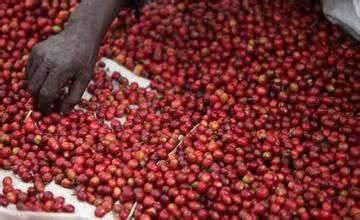
Refreshing, giving people an endless aftertaste of Yemeni coffee flavor, characteristics, taste and manor
Yemeni coffee originated from Arabian coffee trees hundreds of years ago, all produced in areas above 3000 feet above sea level. For hundreds of years, the unique planting and production methods of Yemeni coffee have remained almost unchanged. The seedlings of Yemeni coffee trees are first cultivated in nurseries and then transplanted to high elevations. Pesticides and fertilizers are not used in the breeding process. Mature coffee beans are naturally dried on coffee trees and shelled by stone grinding.

Yemeni coffee features Yemeni coffee flavor
Coffee has been a traditional export product of Yemen for hundreds of years, and it is still one of the most important cash crops and export products of Yemen. Statistics show that among the top 30 exports of Yemen in 2000, cooked coffee beans, raw coffee beans and coffee shells ranked second, eighth and 21st respectively, with a total value of about $17.5 million, of which raw coffee was about $12.25 million.